Ben Austin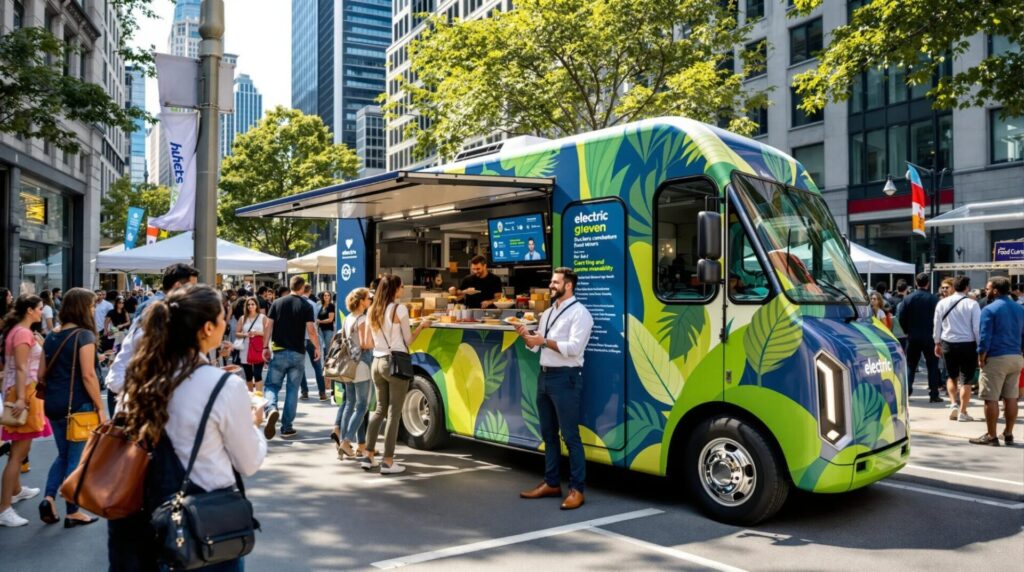
Electric Food Truck: Revolutionizing Mobile Dining
Are you tired of the same old food truck offerings? What if we told you that an electric food truck could be the game-changer you never knew you needed? Imagine cruising the streets with a gourmet meal, but without the rumbles of a diesel engine or a costly gas bill. Not only can these sleek, efficient vehicles tantalize your taste buds, but they’re also paving the way for a greener future. Join us as we jump into the electric food truck phenomenon, filled with humor and intriguing insights.
What Is an Electric Food Truck?
Let’s kick things off with a quick definition. An electric food truck is essentially a mobile kitchen powered by electricity instead of the traditional gasoline or diesel. Think of it as a modern twist on the classic food truck, more range, less noise, and a significantly reduced carbon footprint.
These innovative vehicles not only serve delicious meals but also come equipped with advanced technology, making them a treat for both operators and customers alike. We’re talking about super quiet operations, quick energy recovery times, and the ability to tap into renewable energy sources. Enthusiasts of eco-friendly dining, rejoice.
Benefits of Electric Food Trucks
Transitioning to an electric food truck brings numerous perks. One of the standout benefits is the advantage of lower operating costs. When we no longer have to deal with fluctuating gas prices, the savings can be enormous. Imagine what we could do with those extra funds, maybe expand our menu or even open a second truck?
Then, there’s the environmental impact. Electric food trucks produce zero tailpipe emissions, contributing to cleaner air and a healthier planet. We’re not just filling bellies: we’re also doing our part to improve the world.
Besides, these trucks can offer unique experiences that traditional models simply can’t match. Picture solar panels on the roof, charging while we’re parked at a busy festival, what a great selling point for the eco-conscious diner.
Challenges in Transitioning to Electric
But let’s not sugarcoat things: transitioning to electric comes with its own set of challenges. For starters, the upfront costs can be significant. Electric food trucks can run more expensive than their gas-powered counterparts, which may concern some potential business owners.
Another hurdle is the charging infrastructure. While electric vehicle charging stations are popping up everywhere, including urban areas, some locations still lack the necessary facilities. We must carefully plan our routes and stops, ensuring we can recharge without hiccups.
Finally, the range anxiety is real. There’s nothing worse than running out of juice in the middle of a bustling event. We have to ensure our trucks can cover suitable distances while serving our delicious meals without the stress.
Cost Analysis: Electric vs. Traditional Food Trucks
When it comes to crunching numbers, understanding the cost dynamics is crucial. While electric food trucks may have higher initial costs, ranging anywhere from $100,000 to $200,000, this should be balanced against ongoing savings. For instance, maintenance costs are generally lower for electric vehicles. Gone are the days of frequent oil changes and complicated engine issues.
We also need to account for fuel costs. Electric charges can be significantly lower than gas for the same amount of energy. Looking closely, we see that within a few years, the savings could offset the initial expenditure, leading us toward a profitable venture.
Best Practices for Operating an Electric Food Truck
Running an electric food truck isn’t just about cooking up fantastic meals: it’s also about efficient operations. First and foremost, we can optimize route planning to ensure we minimize our energy consumption. A well-planned day helps avoid unnecessary charging stops.
Next, maintaining our equipment regularly ensures optimal efficiency. Keeping everything in top shape means our trucks can run longer on a single charge. Also, implementing a smart menu that allows us to prepare food quickly can help maximize our service during peak hours, because who doesn’t love quick service, right?
Future Trends in Electric Food Trucks
Looking ahead, we see exciting trends shaping the landscape of electric food trucks. For one thing, we can expect advancements in battery technology that will likely extend the range and efficiency of these vehicles. Imagine cruising through a city without worrying about charging.
Also, as sustainability takes center stage, more consumers are seeking out restaurants and food trucks that prioritize eco-friendly options. We stand to gain an edge in the competitive market by embracing this trend early on. Finally, who wouldn’t want to pair delicious, ethical meals with cutting-edge technology? We’re at the forefront of a culinary revolution.
About Author


 Alma Bax